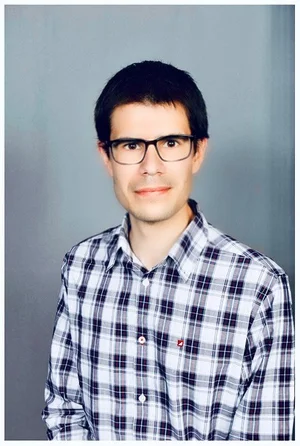
Beyond the Black Box @ ECC10 !
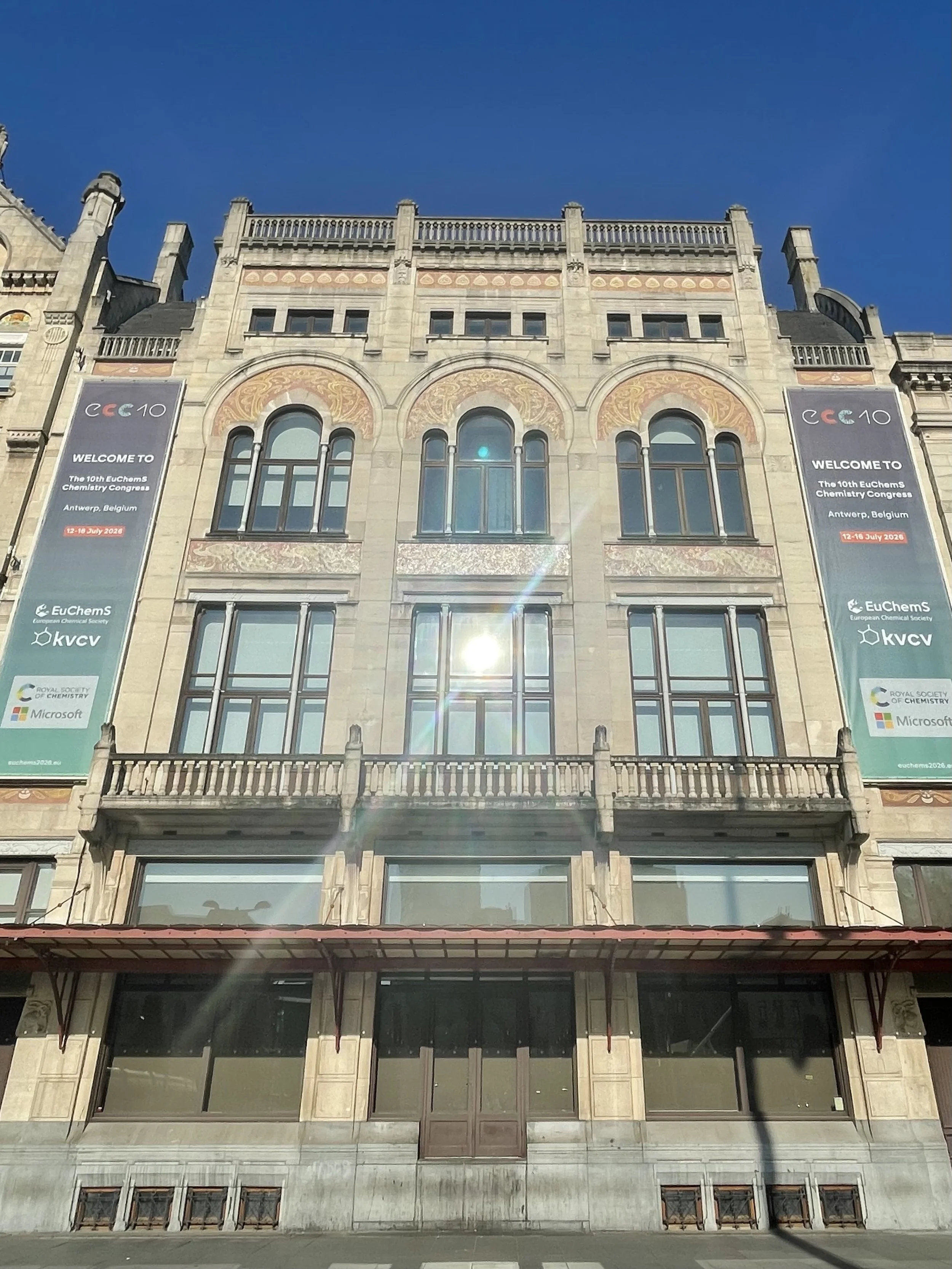
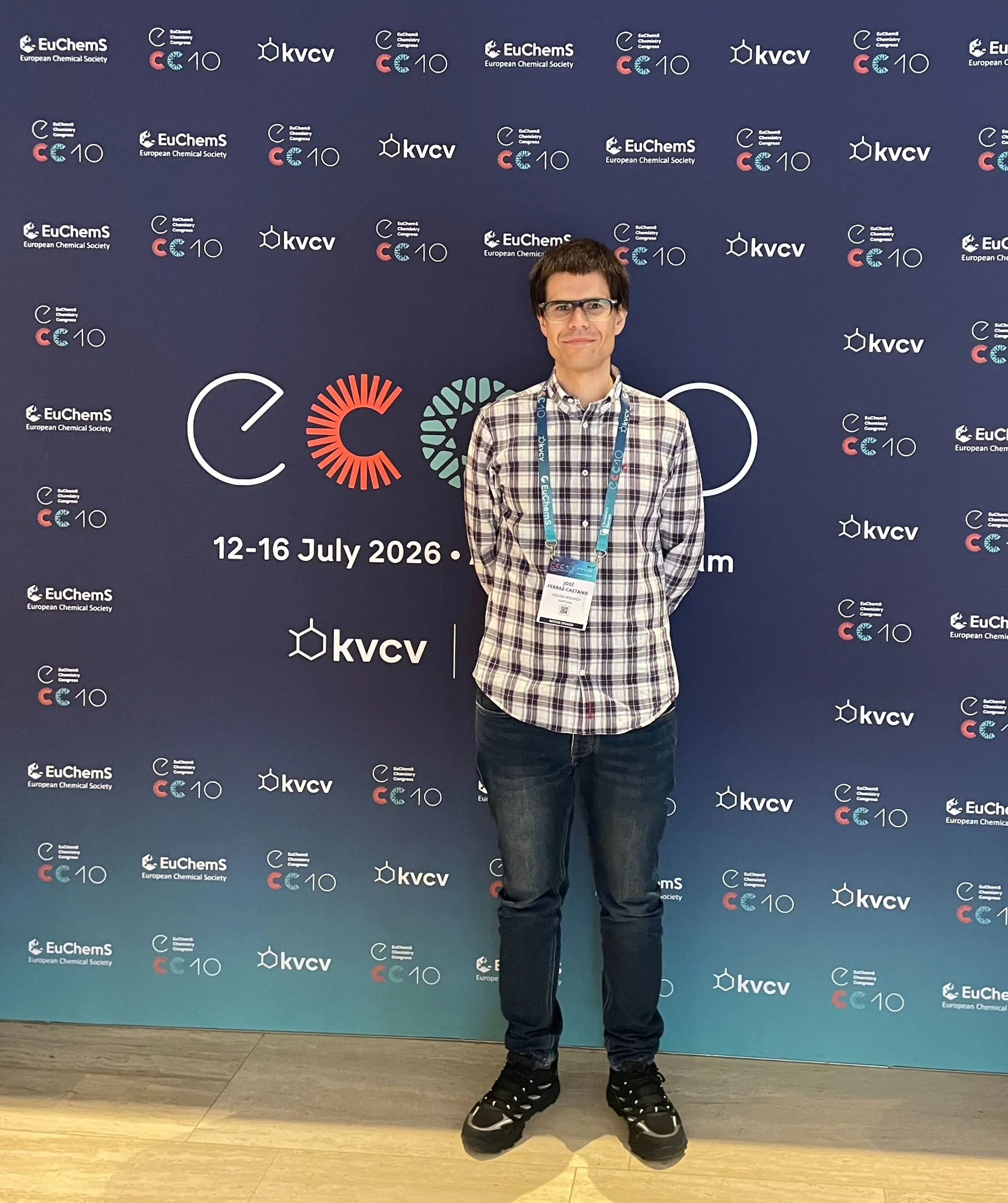
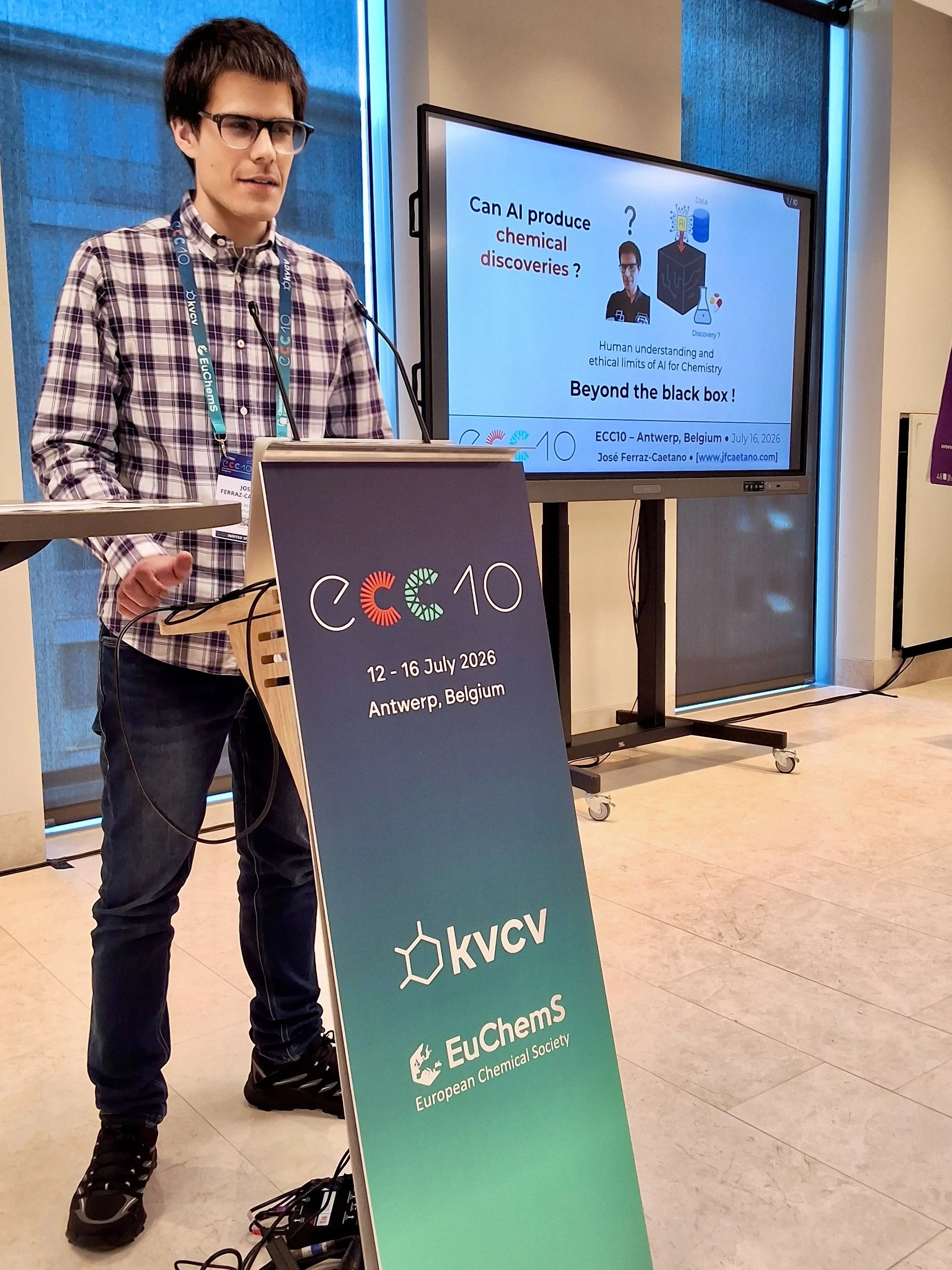
I was deeply honored to have delivered an invited lecture at the 10th EuChemS Chemistry Congress (ECC10) in Antwerp, Belgium, on behalf of the EuChemS Working Party on Ethics in Chemistry. This presentation was part of the session entitled “Responsible Chemistry for Society", and my talk “Beyond the Black Box: Human Understanding and the Ethical Limits of AI for Chemistry” dealt with the following issue:
What is the best way to advance human understanding while recognizing the ethical limits of AI?
My answer is simple: by asking questions.
Using the history and philosophy of science, I have explored how scientific knowledge is built and the potential loss when prediction is not connected to explanation. I argued that the explanation trade-off associated with applying AI to chemistry manifests in three key risks. And accuracy alone, without explanation, does not translate to scientific knowledge.
As AI tools become more accurate at producing outcomes that cannot be easily explained, scientists need to continue examining the assumptions, data, methods, outputs, and consequences of each step along the way. Therefore, the key protection might be the chemist's role itself: maintaining scientific curiosity and carrying the obligation to ask key questions at every step.
The slides from my lecture are available here, and the abstract is in the conference’s proceedings.
It was a privilege to share my personal insights from my work at HOLOSS and LAQV-REQUIMTE (University of Porto) and to engage in a broader discussion that brought together chemistry, AI, ethics, and the humanities.
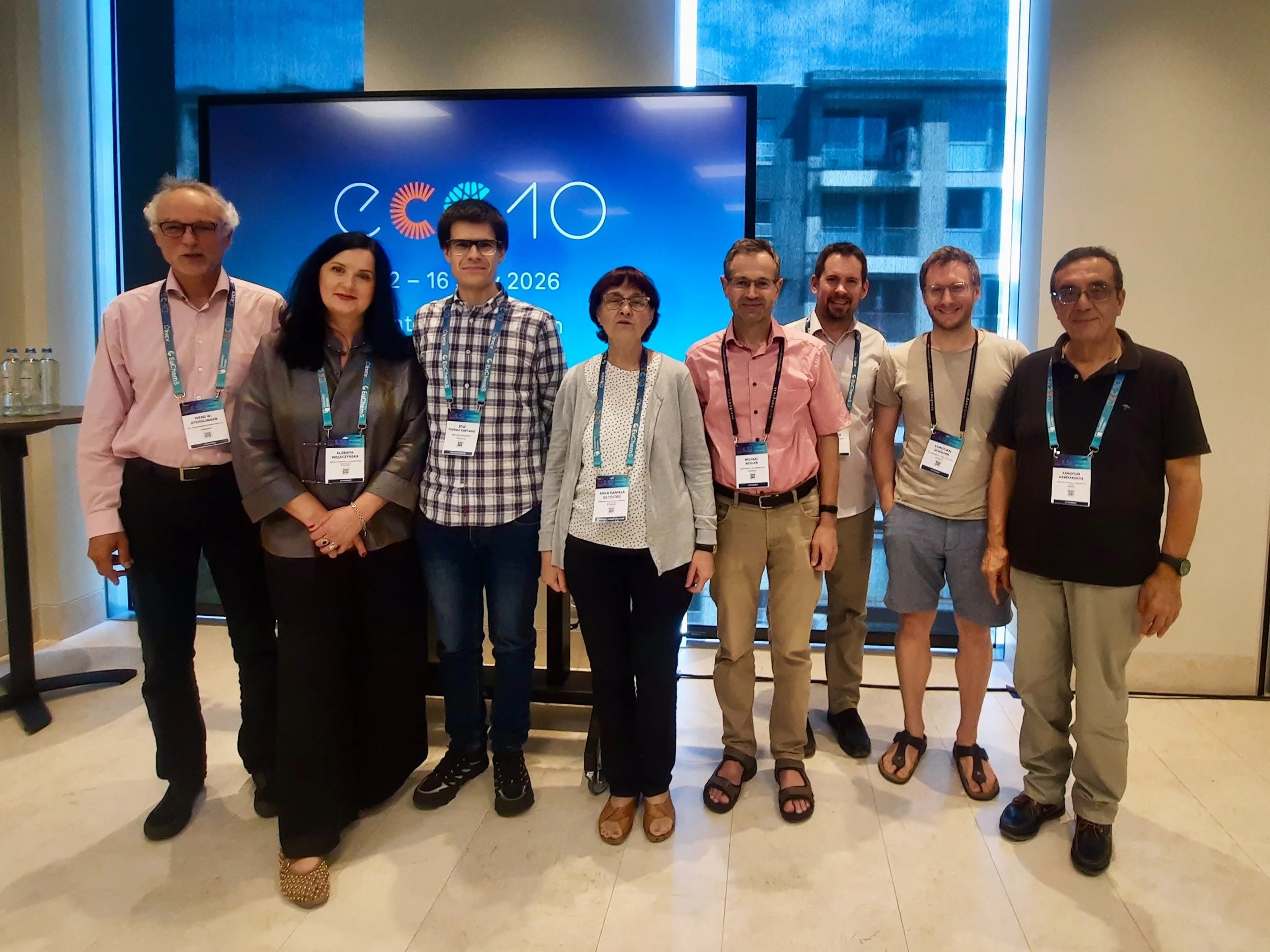
I thank the organizers, speakers, and attendees for providing the insightful discussion and exchange of viewpoints. In particular, I would like to thank Hans W. Steisslinger, Jan Mehlich, Xenofon Vamvakeros, Elżbieta Wojaczyńska, Christian Schnurr, and Michael Müller for their contributions to this important conversation.
jfcaetano